The Seasonal Bit
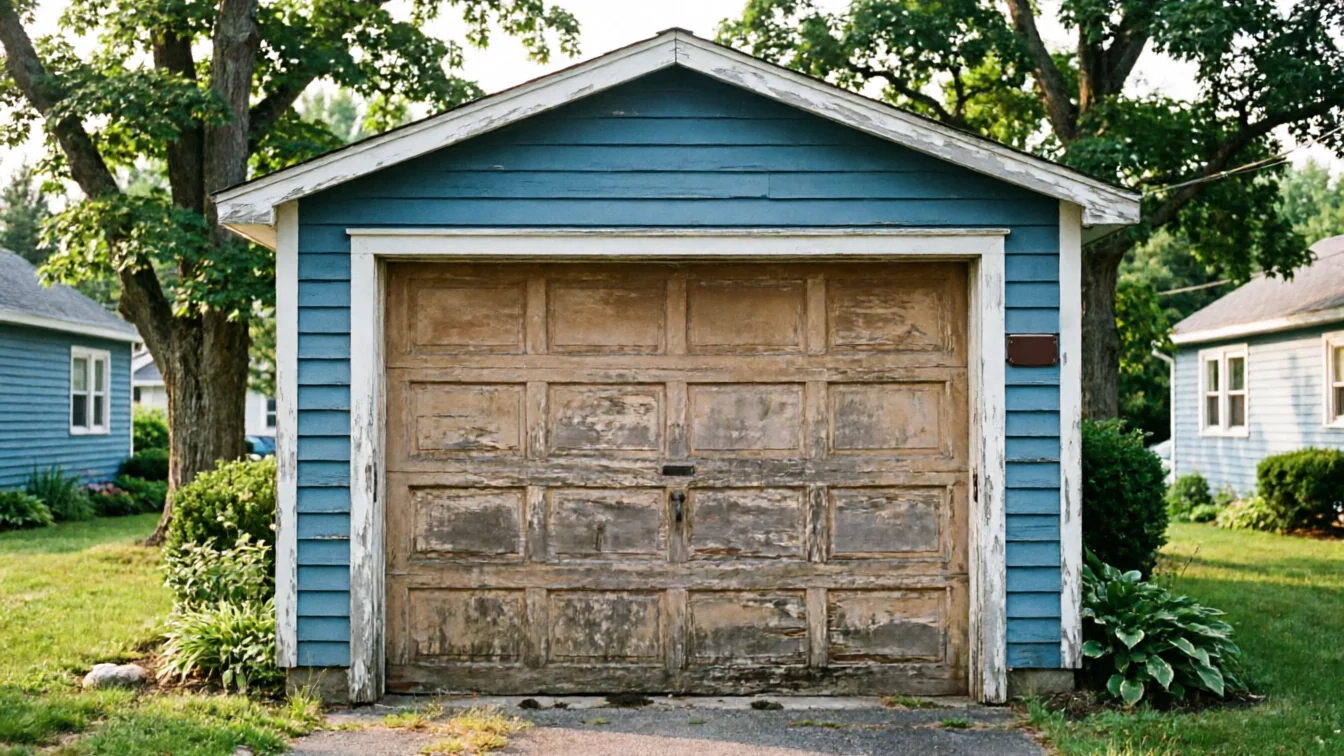
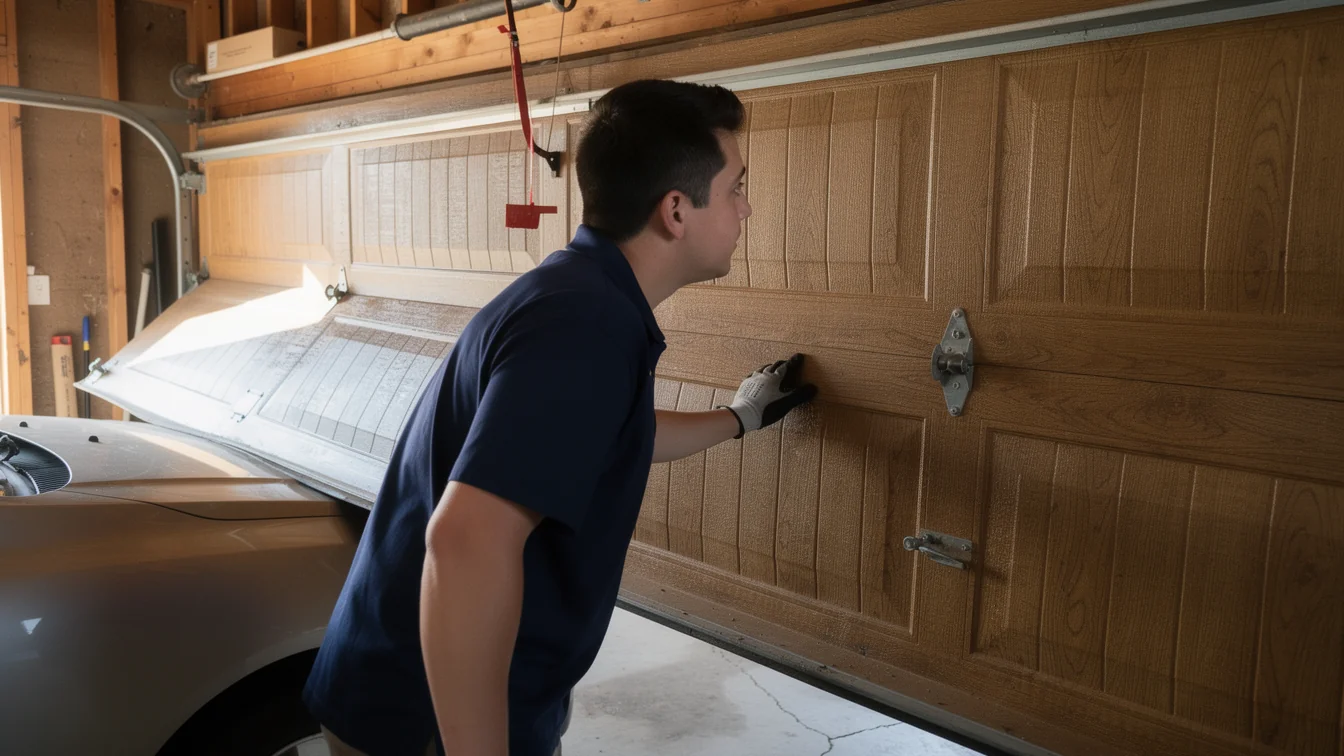
Every fall in Waldorf, the phone starts ringing with the same complaint: the door's making a noise it didn't make in August. That's not a coincidence and it's not your imagination. Most of the housing stock around here went up between 1962 and 2007, with the typical house dating to about 1982 - which means a lot of original or first-replacement hardware that's now thirty to sixty years old and was never built with today's heavier insulated panels in mind. Steel expands and contracts with temperature the same way it did when the house was framed, and older brackets and rollers don't absorb that movement as quietly as they used to. A door that squeaks on the first cold morning of the year isn't necessarily broken - but it's telling you the grease from last spring has already given up. The honest answer is that a seasonal squeak and a failing bearing can sound almost identical at first, and the only way to tell them apart is to watch the door move, not just listen to it.
What the Weather Here Does to It
Waldorf sits in a climate zone rated cold and severe, which means real winter cold, real summer humidity, and a wide swing between the two every single year. That swing is hard on garage door hardware in a specific way: steel torsion springs lose a bit of tension capacity in deep cold, nylon rollers stiffen and start to thump instead of roll, and condensation on a closed-up garage in humid months works into hinge pins and track bolts that aren't sealed. None of this is dramatic on its own. It's cumulative. A door built or last serviced in the 1980s or 90s - which describes a lot of doors in this area - has been through thirty-plus of these cycles, and the noise you hear now is usually the sum of all of them, not one new failure. If your door only makes noise on the coldest mornings and goes quiet by afternoon, that's the cold talking. If it makes the same noise in July, that's the hardware talking.
What to Look At First
Start at the rollers. On a door that dates to the main build-out era around here - the 1960s through the early 2000s - the original rollers are usually steel-on-steel or early nylon, and both wear to an oval shape over time that produces a rhythmic thump as the door travels. That's one of the most common calls we get, and it's one of the cheaper fixes, as long as the track itself hasn't worn a matching groove. After rollers, check the hinges between panels; a grinding or screeching sound concentrated at one hinge, rather than spread across the whole run, usually means that hinge pin is worn oval and needs replacing before it lets a panel sag. Last, listen for a single loud bang followed by the door refusing to open - that's not maintenance, that's a broken spring, and nothing on this list applies once that happens. We won't tell you to grease a spring that's already snapped.
What Is Going On
Put together, the pattern in Waldorf is pretty consistent: houses from the 1962-2007 build era, running through a cold-severe climate, produce doors that get noisy in a predictable order - rollers first, hinges second, springs last and worst. If your house falls in that build window, which most in this area do, the noise is rarely a mystery once you know where to stand and listen. Where it gets harder is when a door has had mixed repairs over the decades - a replacement opener bolted to original 1980s track, for instance - because then one noise can be masking a second, unrelated one underneath it. We won't guess at that over the phone; it's a look-at-it-in-person job. And sometimes the honest call is that a door with this much accumulated wear is cheaper to replace than to keep chasing noise by noise.
Talk to a local pro
Garage door trouble in Waldorf?
Same-day service with honest, upfront quotes.