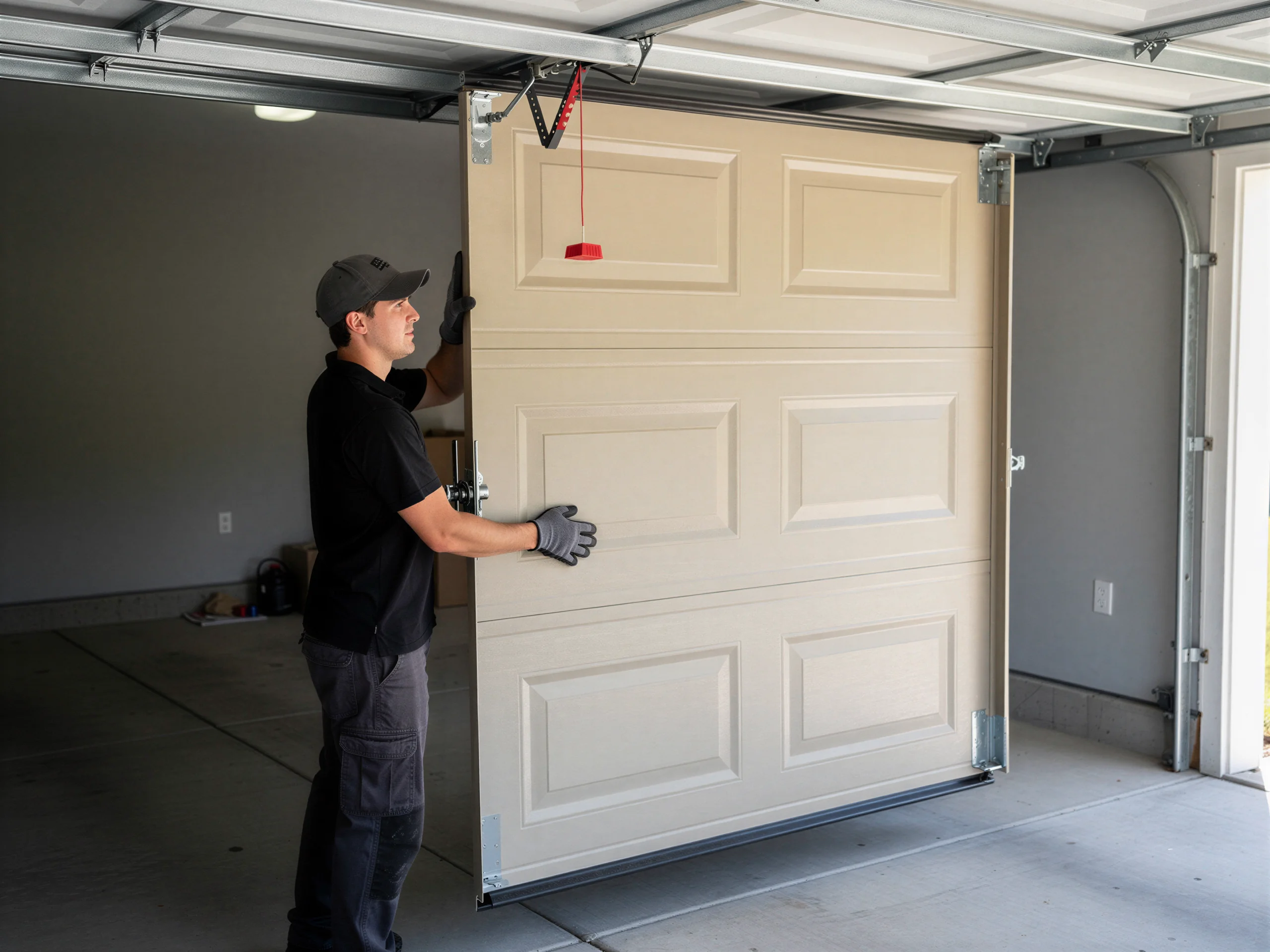
Two things line up to push a lot of Waldorf installs: the age of the housing and the weather. With housing across this area built mainly between 1962 and 2007 and a median build year near 1982, a big share of garages were framed and equipped to a standard that predates the insulated doors most homeowners want today. That's not a defect in the house - it's just what was normal construction for that stretch of decades.
Across the service area's 59,424 owner-occupied houses, a large share were built before insulated steel doors were standard, which is why replacement calls cluster in the same few decades of construction rather than being spread evenly across every house on the block. Add the cold-severe climate and those original doors age faster, with seals cracking and panels flexing more with each freeze-thaw cycle than they would in a milder region.
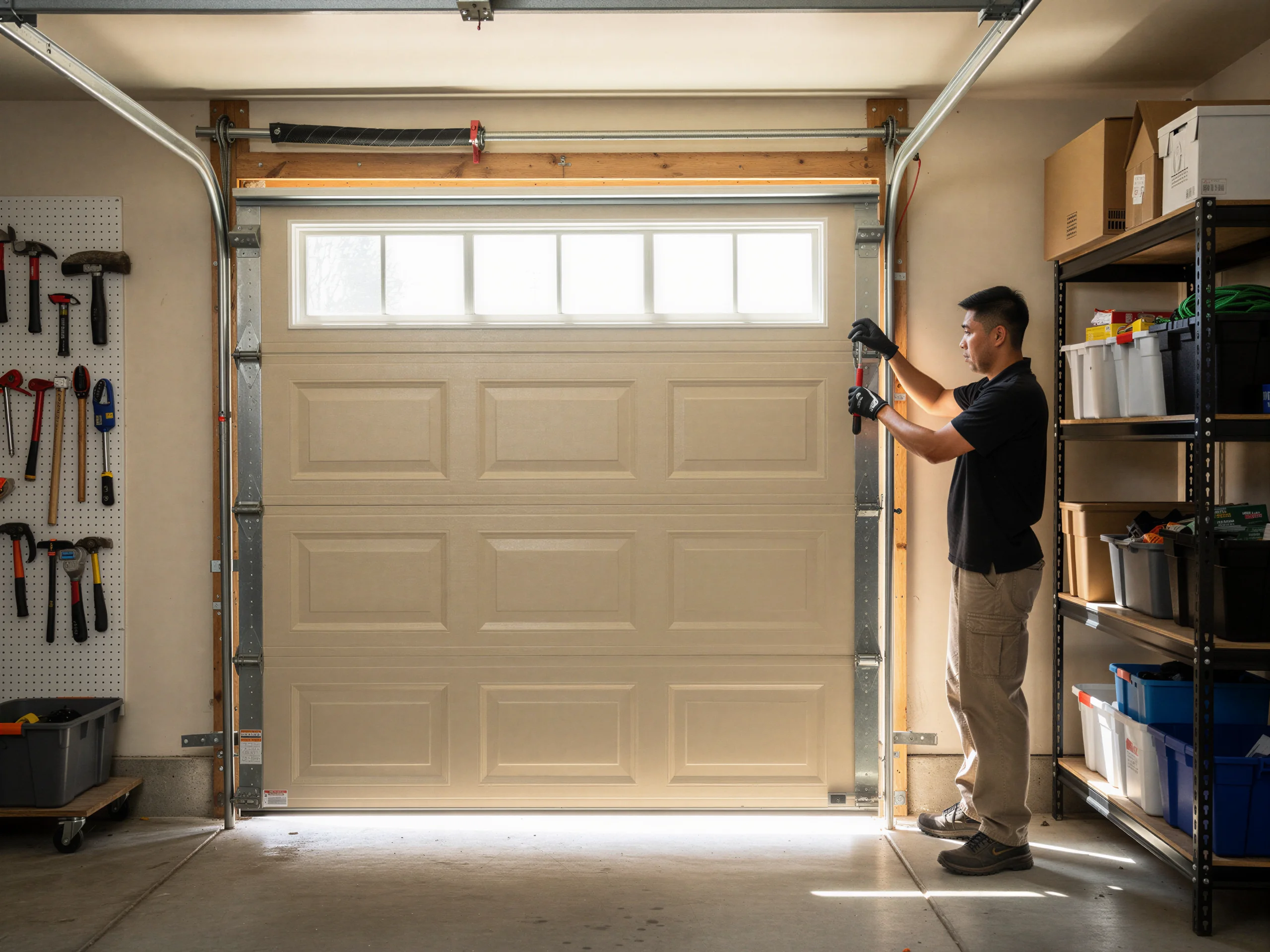
With median household income here at $115,562, most Waldorf homeowners choose to replace rather than patch a door that's outlived its torsion springs, treating the install as a one-time upgrade instead of a string of repair visits. That's less about preference and more about the math once a single-layer door from that era starts failing in more than one place at once.