Waldorf, MDSame-day service/Free estimates/Licensed & insured(301) 297-2902
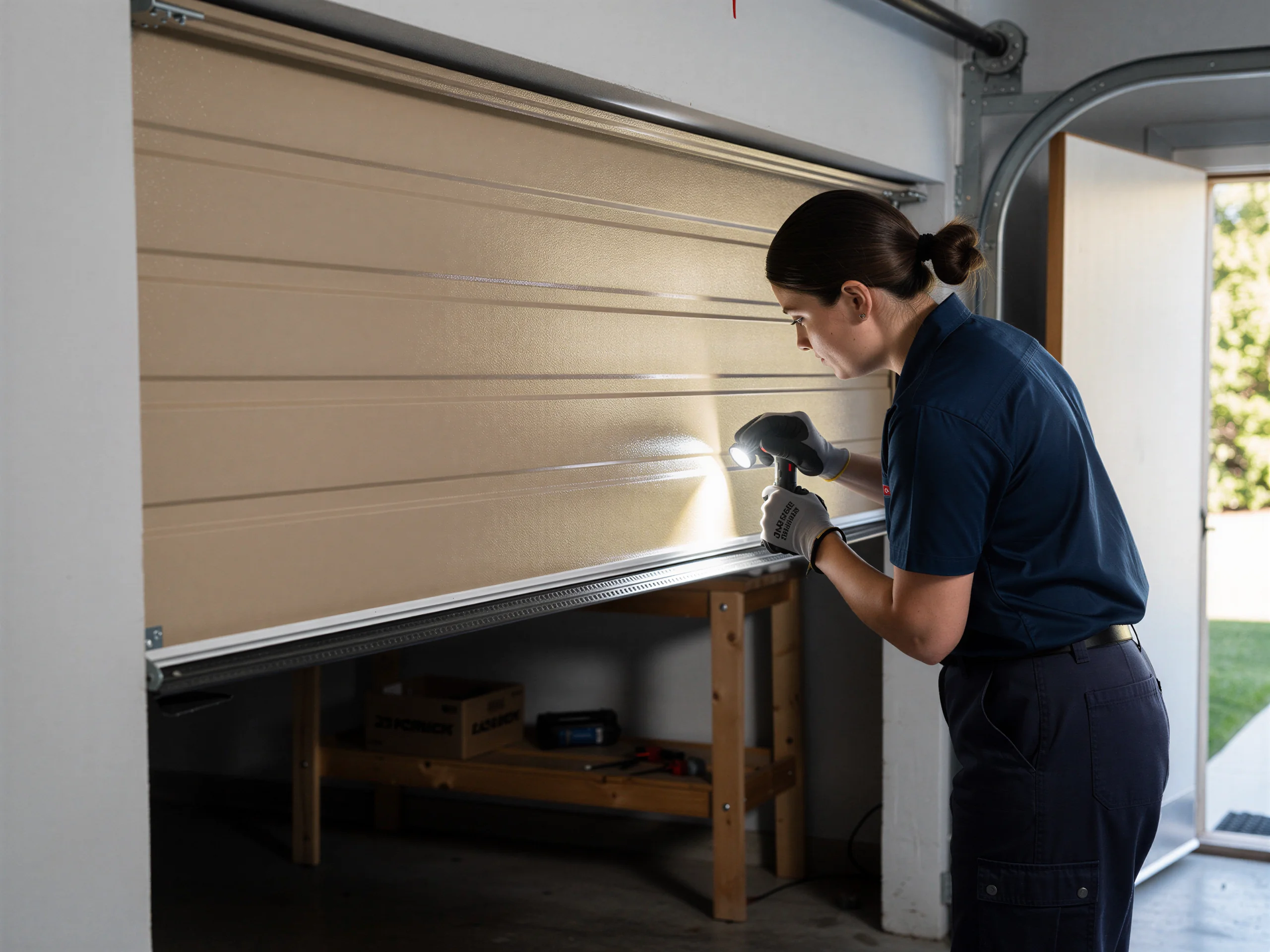
A technician shines a flashlight on the bottom of a beige garage door.

Clinton, Waldorf

Garage Door Repair for Clinton Homes

Clinton homes mostly date to the late 1980s, which means specific spring and opener failures. Waldorf Garage Door Pros covers the 10-mile drive for repair calls.

Serving Waldorf, MDBackground-checked techsHonest, upfront pricingFast local response

Warning signs

How It Shows Up

Clinton sits about 10 miles from our shop in Waldorf, which is close enough that a repair call here runs the same day in most cases, but it's far enough that we load the truck with a wider spread of parts before we leave rather than guessing and driving back.

Carry spare sizes

That drive shapes how we work a Clinton job: we'd rather carry an extra set of rollers and a second spring size than find out halfway through a repair that we're missing something. The houses here mostly went up around 1987, putting Clinton's stock a few years newer than some of the older pockets closer to Waldorf.

Single center bracket era

That median year matters because it lands right in the stretch when a lot of builders were installing extension-spring systems with a single center bracket instead of the torsion setups that became standard later. If your door has one long spring stretched above the track rather than a torsion bar over the opening, that's a 1980s-era tell, and it changes what we bring on the truck and how we price the fix.

Cold plus old hardware

Winters here get cold enough, in the severe-cold band for this region, that steel tracks and springs stiffen and openers labor harder than they do in October. That combination - 1980s extension hardware plus real cold - is the actual starting point for most Clinton calls, not a generic "door won't open."

Watch-outs

Where This Job Goes Sideways

The extension-spring doors common to Clinton's 1987-era housing don't fail the way newer torsion doors do. Instead of one spring snapping cleanly, you often get a stretched or unevenly worn spring on one side that lets the door tilt as it travels, which chews up the rollers and tracks on that side faster than the other.

Symptom versus root cause

Homeowners sometimes chase the symptom - a scraping roller, a door that binds a few inches from the floor - without realizing the spring is the root cause. Cold makes this worse.

Frigid spring failures

Steel contracts in low temperatures, and a spring that's already fatigued from three decades of cycling is more likely to let go on a frigid morning than a mild one. We've seen this pattern often enough in this climate band that we don't treat a winter failure as a coincidence. The other place it goes sideways is the opener.

Mismatched opener hardware

A door from this era that's had its original opener replaced once or twice may now be running motor-side hardware that doesn't match the track-side hardware, which means an opener that strains, reverses, or trips its sensor for reasons that have nothing to do with the opener itself. Diagnosing that mismatch takes more time than swapping a part, and it's a step worth doing before anything gets replaced.

DIY or pro

Doing It Yourself

If your garage door in Clinton is sagging on one side or scraping a track, you can usually tell which side without any tools - stand back and watch it travel through a full cycle with the opener disconnected, pulling it by hand.

Extension springs whip

A door that drifts noticeably to one side points to uneven spring tension, and that's not a DIY spring job. Extension springs under tension can whip hard enough to cause real injury, and on a house this age the brackets holding them may be original too.

Safe homeowner checks

What you can reasonably check yourself: the track bolts for looseness, the photo-eye sensors near the floor for dust or misalignment, and the weatherstripping along the bottom panel, since cold-weather stiffness often shows up there first. Lubricating rollers and hinges with a garage-door-specific lubricant (not WD-40, which washes out and attracts grit) is safe and worth doing twice a year.

No DIY extension springs

Our honest limit here: we don't recommend DIY spring replacement on these older extension systems, and we won't walk you through it over the phone. The safety setup on 1980s hardware isn't always up to current standards, and getting it wrong risks a cable or bracket failure under load.

On the truck

Stocked Parts

Because Clinton's housing clusters around 1987, we carry extension springs in the sizes that matched that era's standard door weights, along with the stamped steel brackets and safety cables that era often lacks or has lost over time. We also stock replacement photo-eye sensors, since many older systems never had them installed and some local code updates since have made them expected.

We carry a range of torsion conversion hardware too, for homeowners who'd rather move off the aging extension-spring layout entirely rather than keep repairing it piece by piece. That's not always the right call - sometimes a straightforward spring and roller job is the cheaper, faster fix, and we'll tell you when that's the case rather than upselling a conversion nobody needs.

What we don't carry on the truck: parts specific to high-end or imported door brands that show up occasionally in newer construction. Those sometimes require a manufacturer order, which can add a few days to the job. We'll flag that up front during the estimate, not after we've already started.
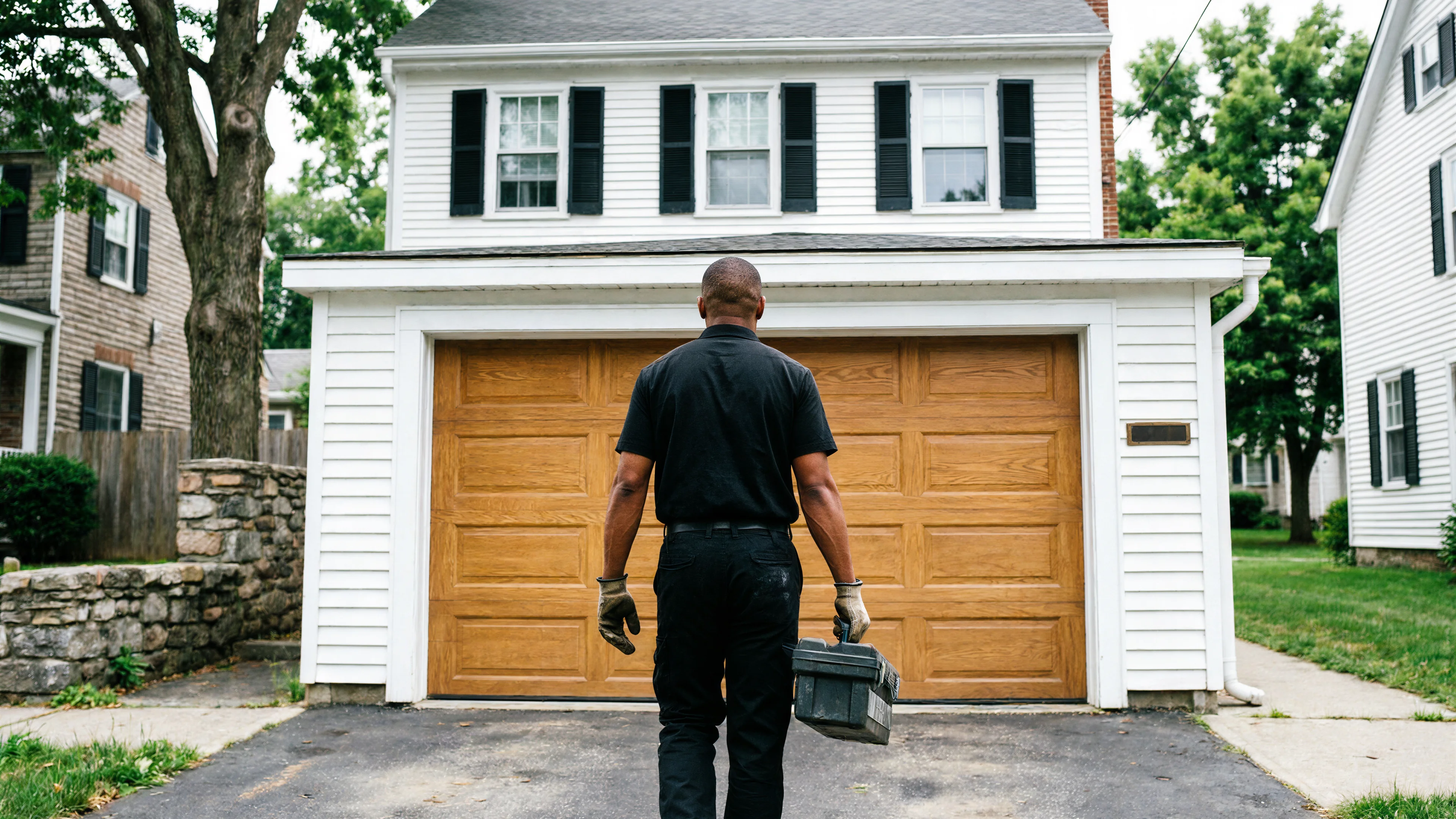
A technician walks toward a two-car wooden garage door on a white house.

Our process

How We Fix It

On a typical Clinton call, we start by cycling the door manually to find where the drag or imbalance is coming from, then check spring tension on both sides rather than assuming the symptom side is the problem side.

  1. Whole-system testing

    Given how many doors here run original or near-original extension-spring setups, we test the whole system - springs, cables, pulleys, and the center bracket - before replacing any single part.

  2. Separate opener calibration

    If the opener is adding strain, we check the force settings and sensor alignment separately from the spring work, since fixing the spring won't resolve an opener that's been fighting a mismatch for years. Cold weather calls sometimes need an on-site adjustment period, letting components warm slightly before final tensioning, since steel measured cold can read differently than it will an hour later.

  3. Loaded cycle verification

    We close every repair with a full-cycle test under the door's actual load, not just an empty swing, because a door that looks fine disconnected can still bind once the panels and hardware are back under tension.

Questions

Common questions

How far out is Clinton from your shop, and does that affect scheduling?

Clinton is about 10 miles from our Waldorf location. We route it as a same-day call in most cases, but because it's a drive rather than a local stop, we load extra parts sizes onto the truck ahead of time rather than making a return trip for something we didn't bring.

Why does my Clinton house still have extension springs instead of torsion?

Most homes in Clinton were built around 1987, when single extension springs over the track were still common builder-grade hardware. Torsion systems became more standard later. If your door hasn't been upgraded, you're likely still running that original-era layout.

Is it worth replacing an old extension-spring door instead of repairing it?

Sometimes, but not always. If the track, rollers, and opener are all original and failing together, a torsion conversion can make sense. If it's just a worn spring on an otherwise sound door, repair is usually the cheaper and faster route - we'll tell you which situation you're in.

Does cold weather actually cause spring failures here?

Yes, more than homeowners expect. This area sits in a severe-cold climate band, and steel springs and cables stiffen and become more likely to fail under tension on the coldest mornings, especially if they're already fatigued from decades of cycling.

Explore more

More Services in Clinton

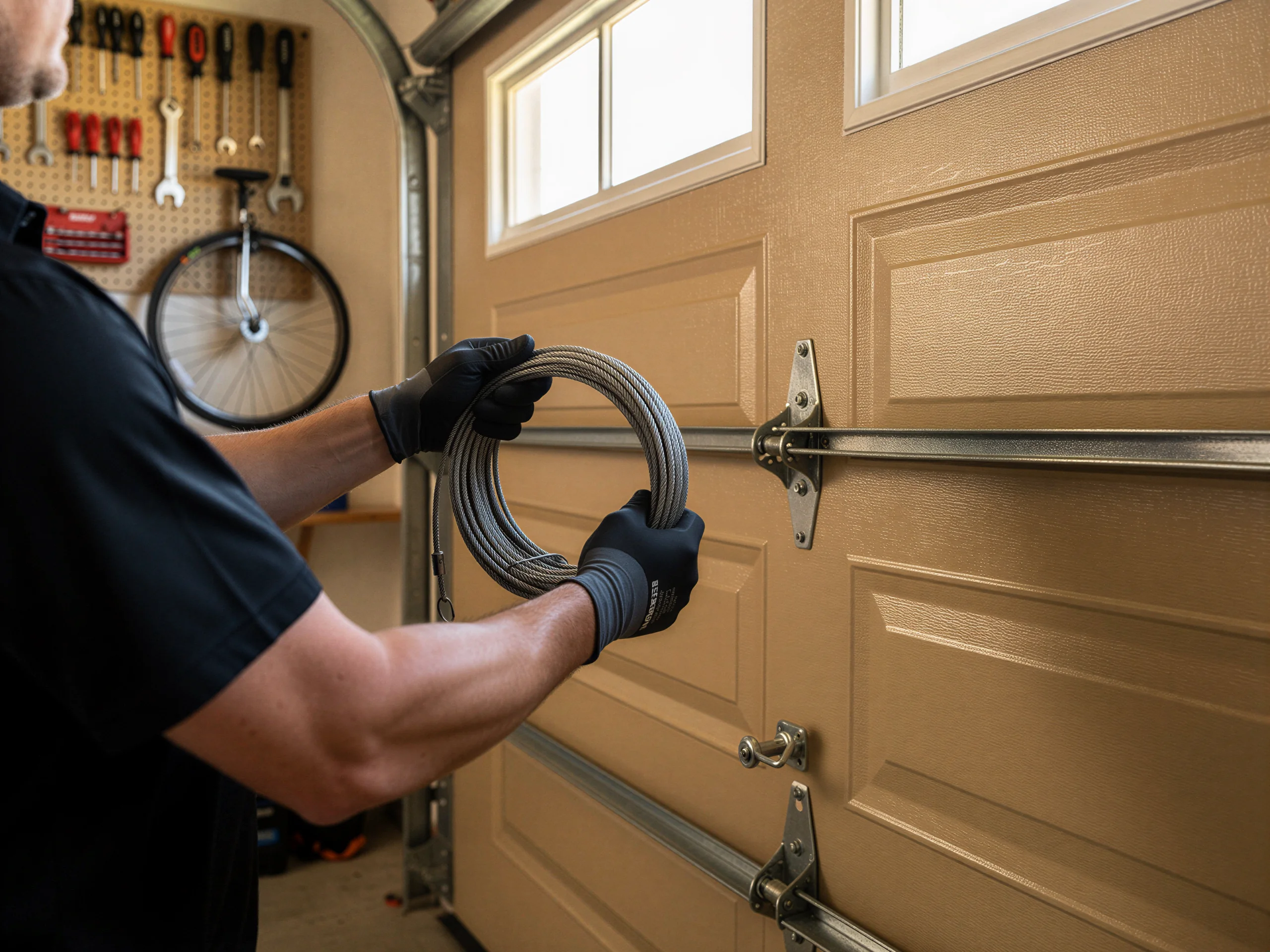
A technician in black gloves holds a coiled cable next to a tan garage door.

Cable Repair

Clinton homes run a few years newer than the Waldorf-area average, and that shows up in the cable and drum setups we find on calls here. Learn more →
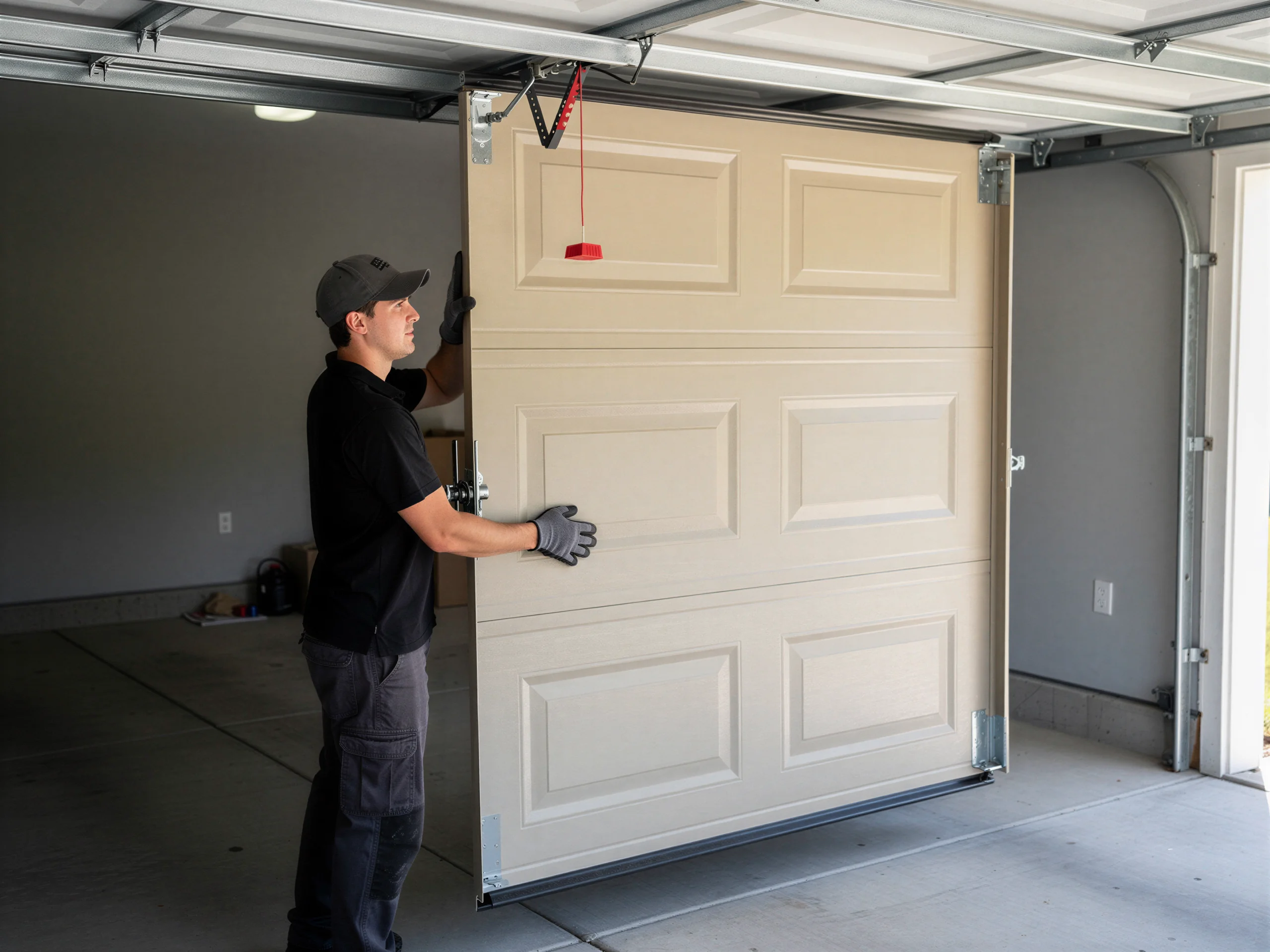
A technician in a cap and gloves installs a beige garage door.

Garage Door Service

Clinton runs about 13,728 households, smaller than most of our service area, with houses built mostly after 1980. Learn more →
A technician in a cap and gloves installs a beige garage door.

Maintenance

Clinton homes mostly went up around 1987, just before photo-eye opener sensors became required. Learn more →
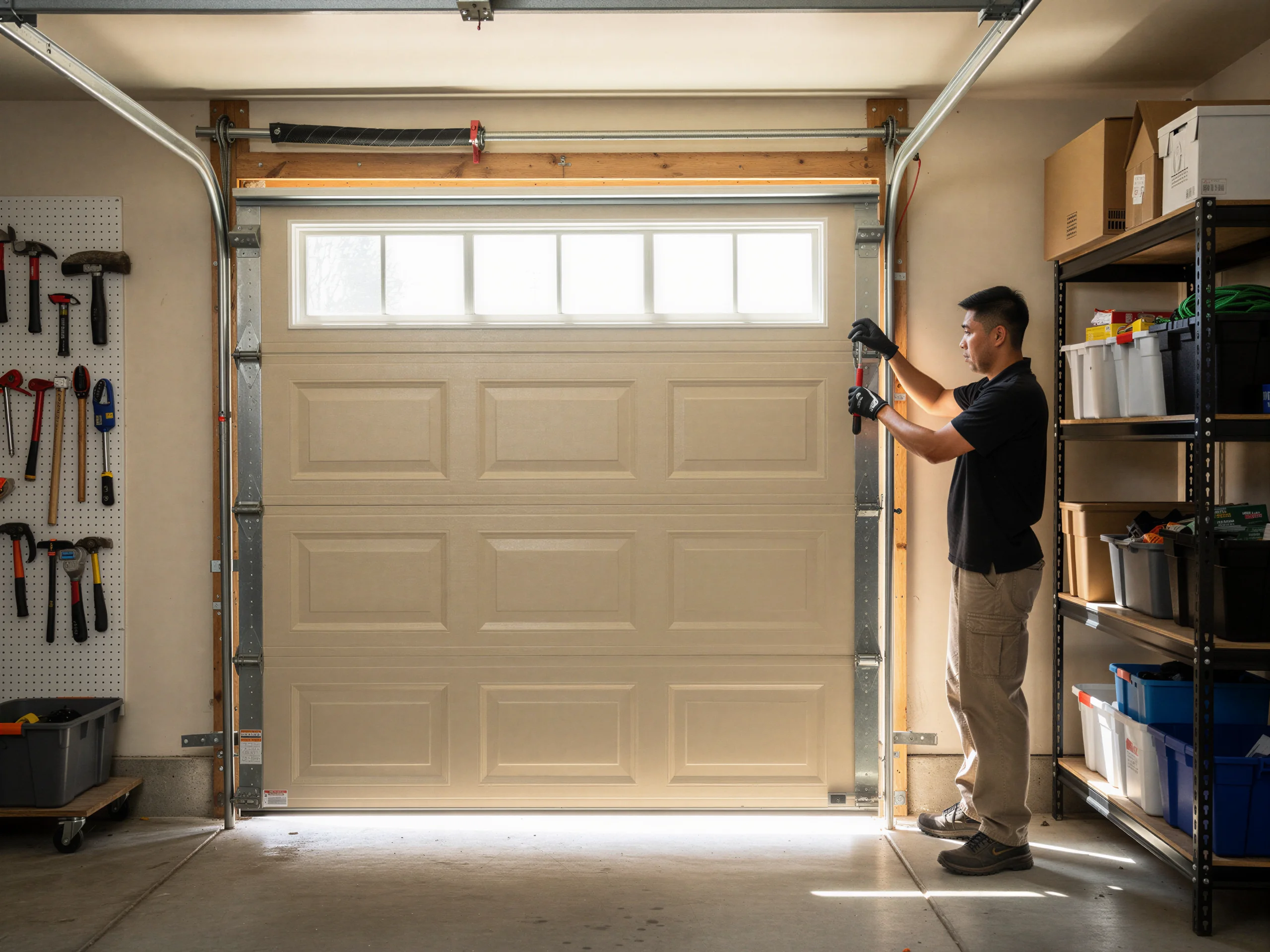
A technician in black gloves adjusts a beige garage door with windows.

New Door Installation

New garage door installation for Clinton, MD covers homes built mostly in the 1980s and 90s, done by Waldorf Garage Door Pros traveling ten miles from Waldorf Learn more →
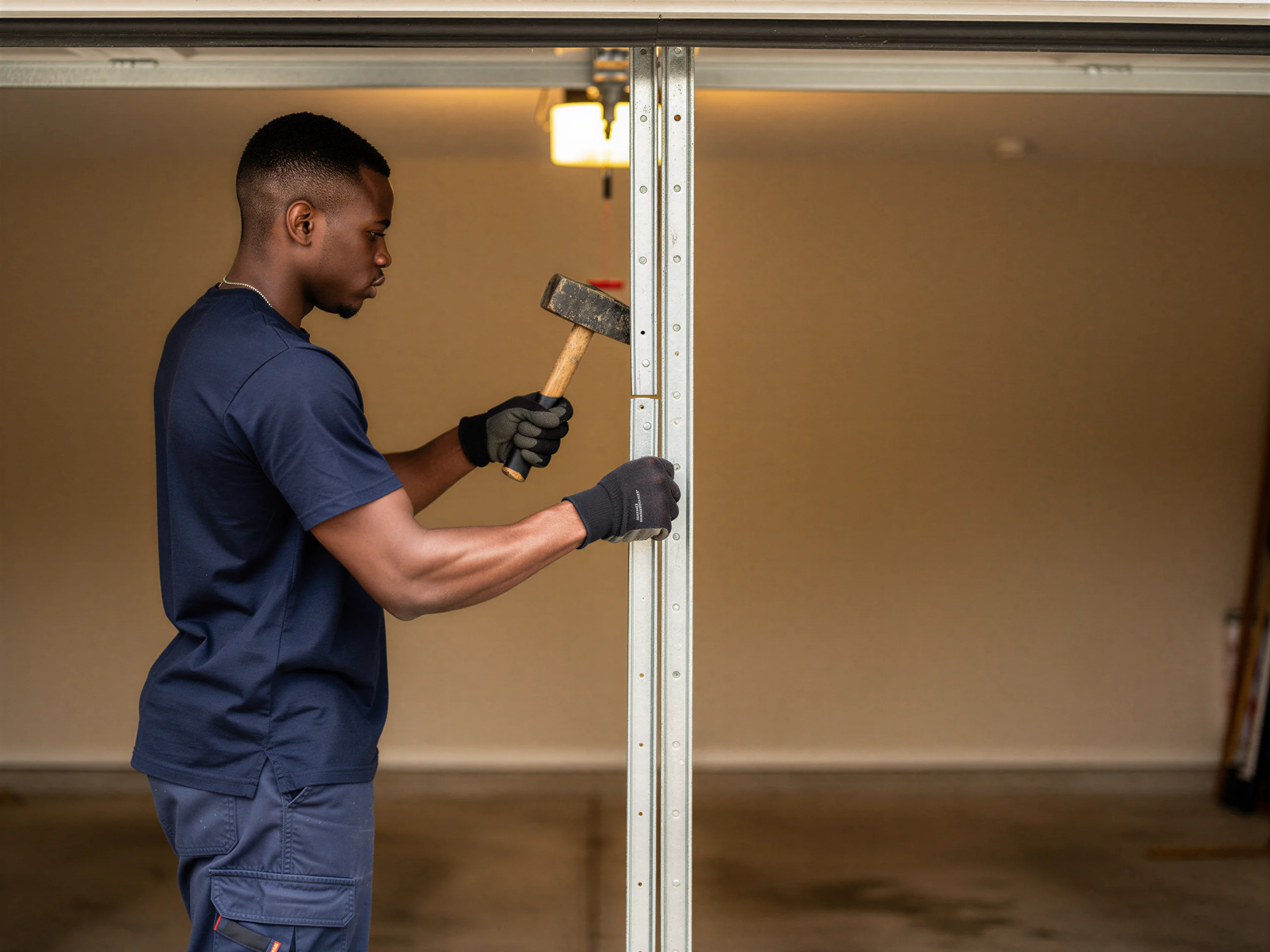
A technician in a blue shirt and gloves uses a hammer on a garage door track.

Off Track Repair

Houses in Clinton mostly date to the mid-1980s, which means original track brackets and rollers on a lot of doors. Learn more →
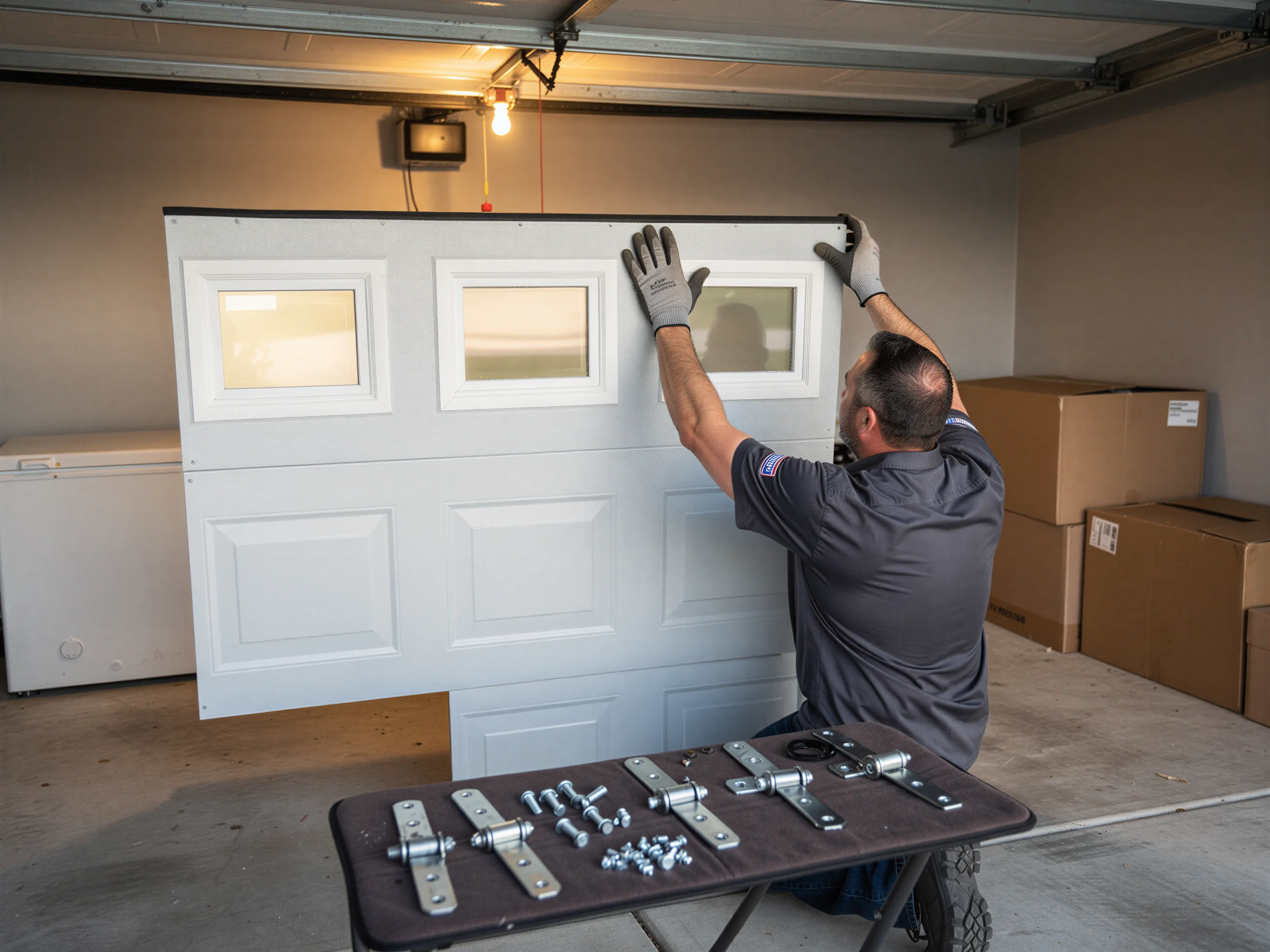
A technician installs a white garage door panel with windows.

Panel Replacement

Clinton homes mostly date to 1987, which means steel sectional doors with sandwich-core panels now 35+ years old. Learn more →
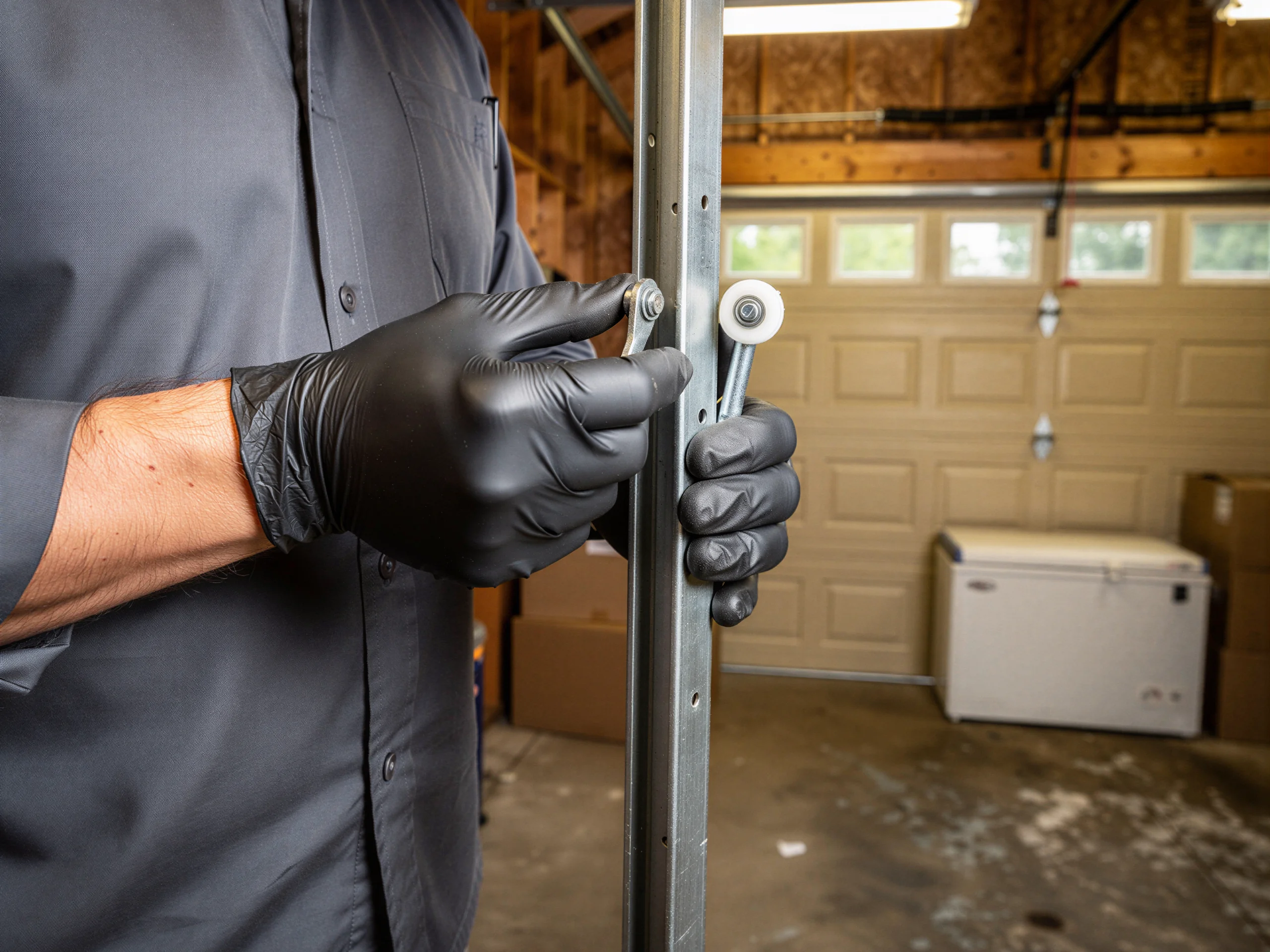
A technician in black gloves installs a garage door roller into a metal track.

Roller Replacement

Clinton homes built around 1987 still run original steel rollers on steel track. Learn more →

Ready when you are

Need a garage door sorted in Waldorf?

Waldorf Garage Door Pros repairs and installs garage doors, springs and openers in Waldorf, MD and the surrounding area.

Call NowGet a quote