Worn stems shudder
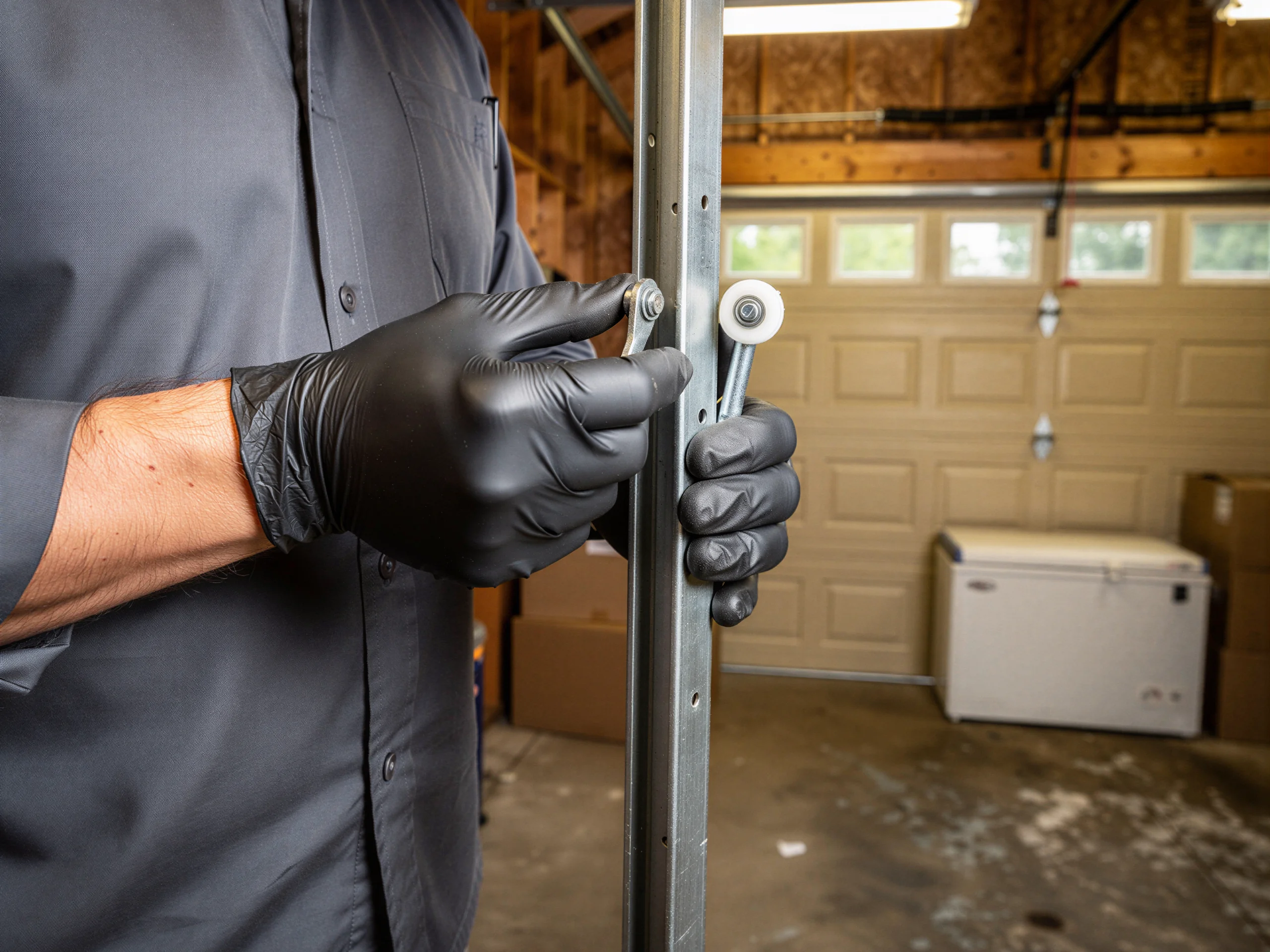
Thirty-some years of opening and closing wears the roller stem thin and flattens the wheel's contact edge, so the door starts to shudder going up, especially on the last foot before it hits the header.
Clinton, Waldorf
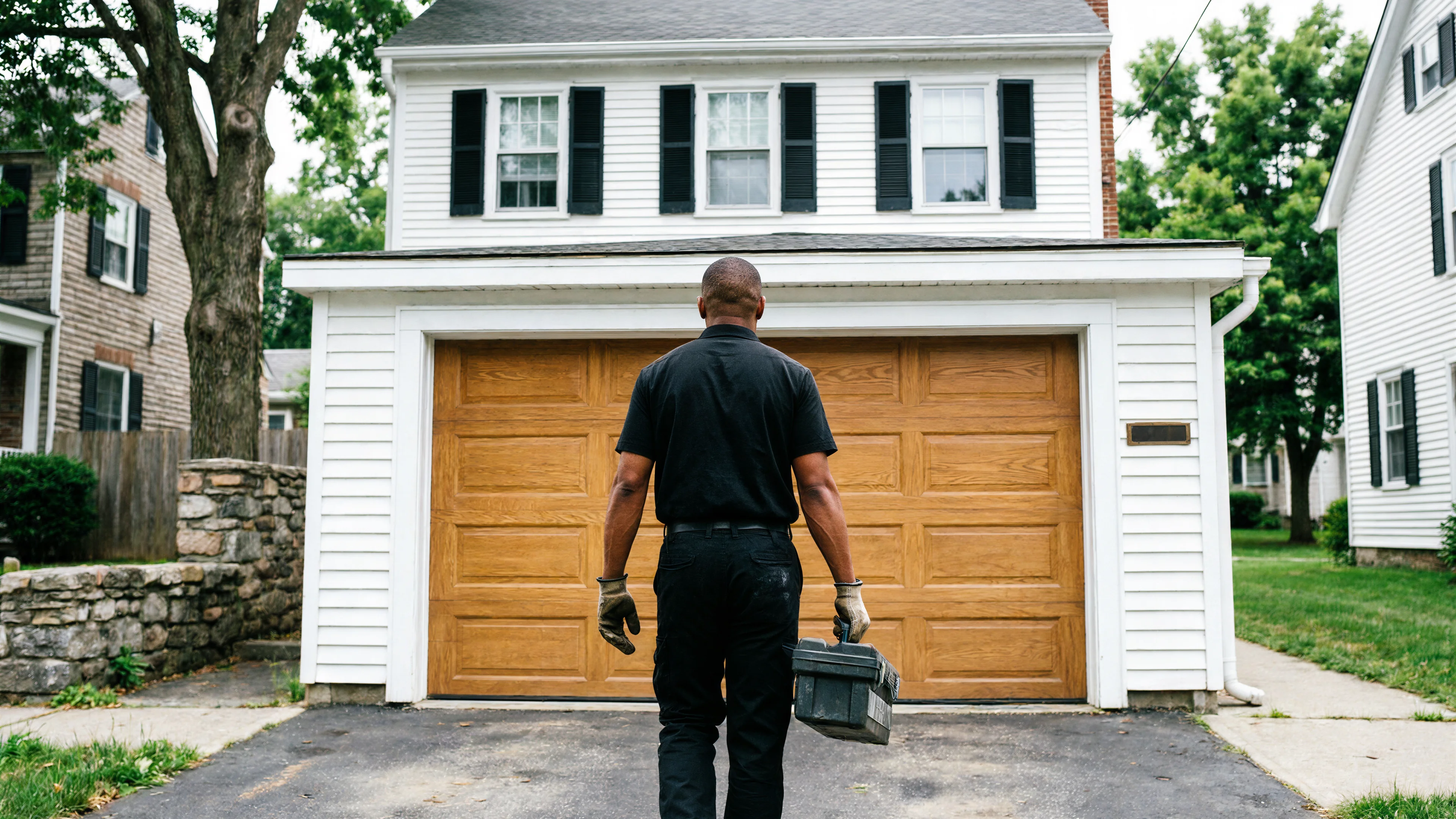
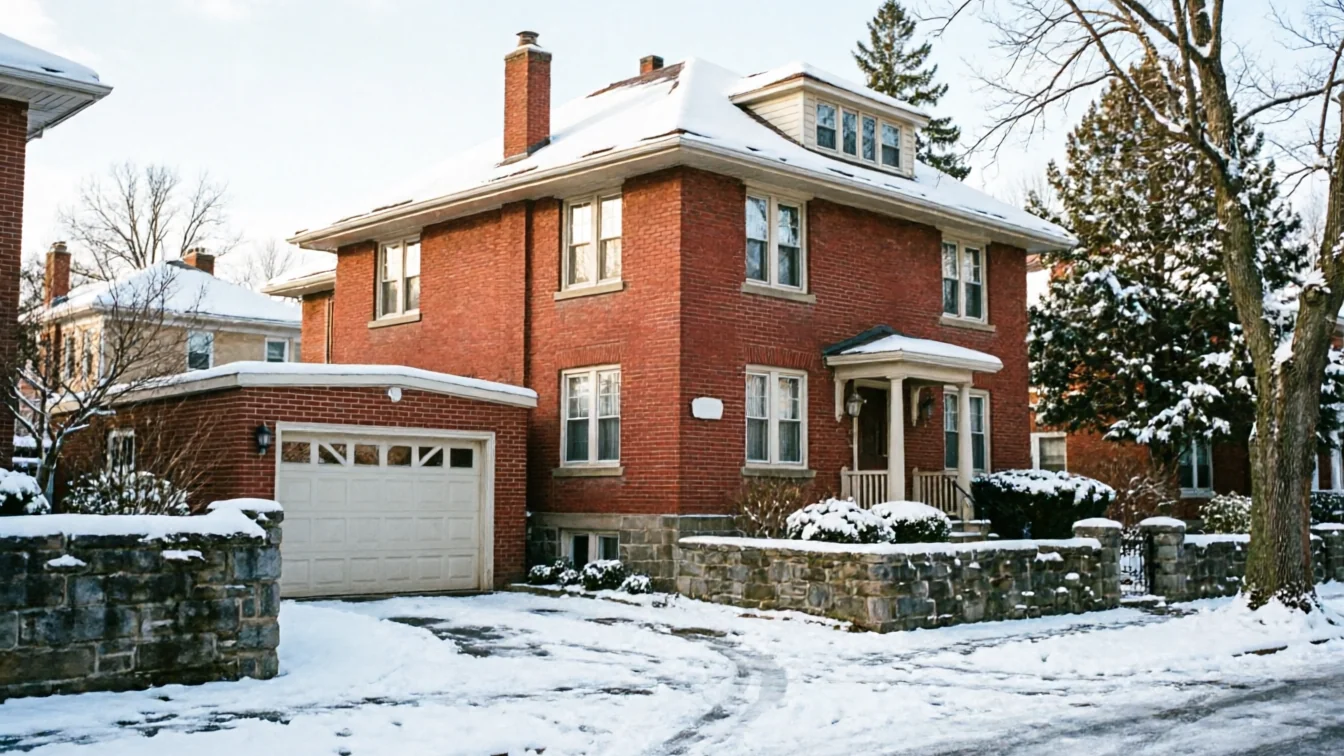
Clinton homes built around 1987 still run original steel rollers on steel track. We drive out from Waldorf to swap them for sealed nylon rollers that handle the cold.
Warning signs
Most of Clinton's housing went up around 1987, and the sectional doors that came with those builds shipped with stamped steel rollers on short stems, riding in steel track.
Thirty-some years of opening and closing wears the roller stem thin and flattens the wheel's contact edge, so the door starts to shudder going up, especially on the last foot before it hits the header.
You'll hear it before you see it - a grinding or clunking that gets louder in cold weather, because the service area sits in a severe cold climate band where metal contracts and old grease stiffens up overnight.
On a lot of these doors, two or three rollers near the bottom panel wear faster than the rest since they carry more of the door's swing weight. If your opener strains harder in January than it does in July, worn rollers are usually part of why.
Watch-outs
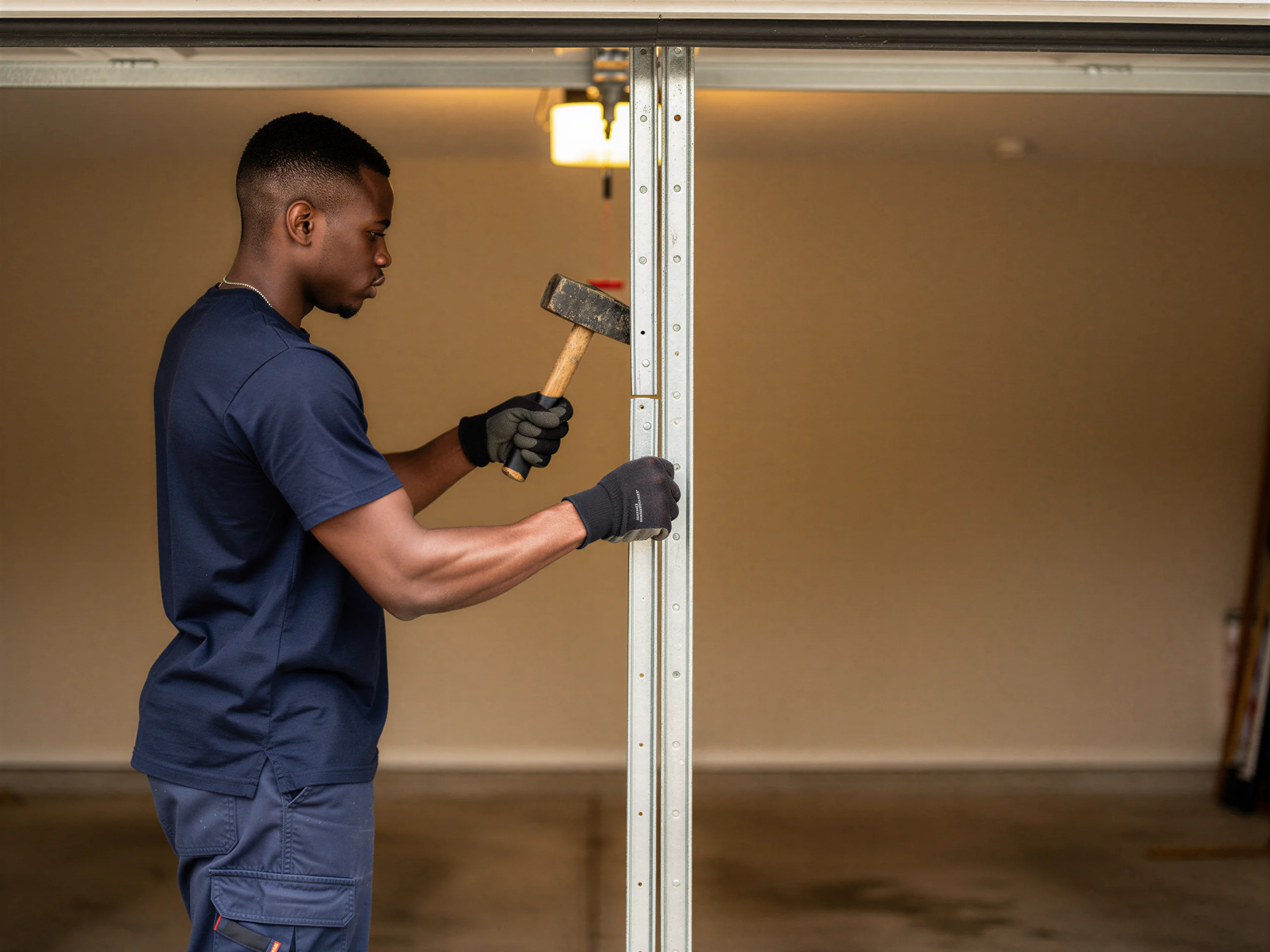
The roller itself is rarely the expensive part - the track is. On a builder-grade 1987 door, the steel track was often set to a fairly tight tolerance, and once a roller flattens, it starts riding the edge of the track instead of the center. Leave that running long enough and the track bends or the roller stem snaps off inside it. At that point you're not swapping four rollers, you're replacing a section of track too, and matching old track width to a new roller size gets fussy. We also see owners discover a cracked panel or a weak spring only after the rollers come out and the door finally moves the way it's supposed to - which is a good thing to know about before the job starts, not after.
DIY or pro
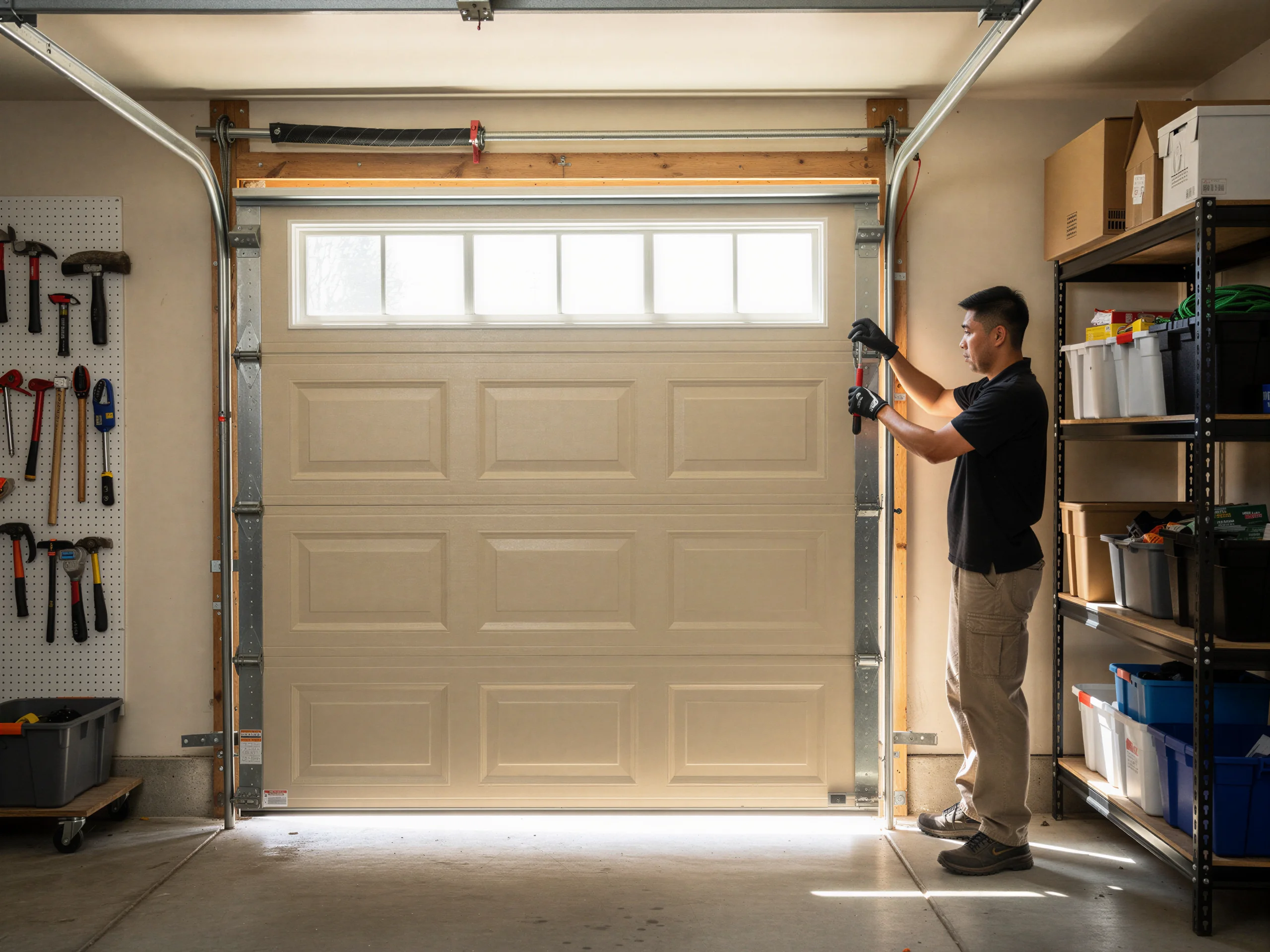
Swapping a roller or two on a door that's already apart isn't a bad weekend project if you've got the door secured and the spring isn't under load.
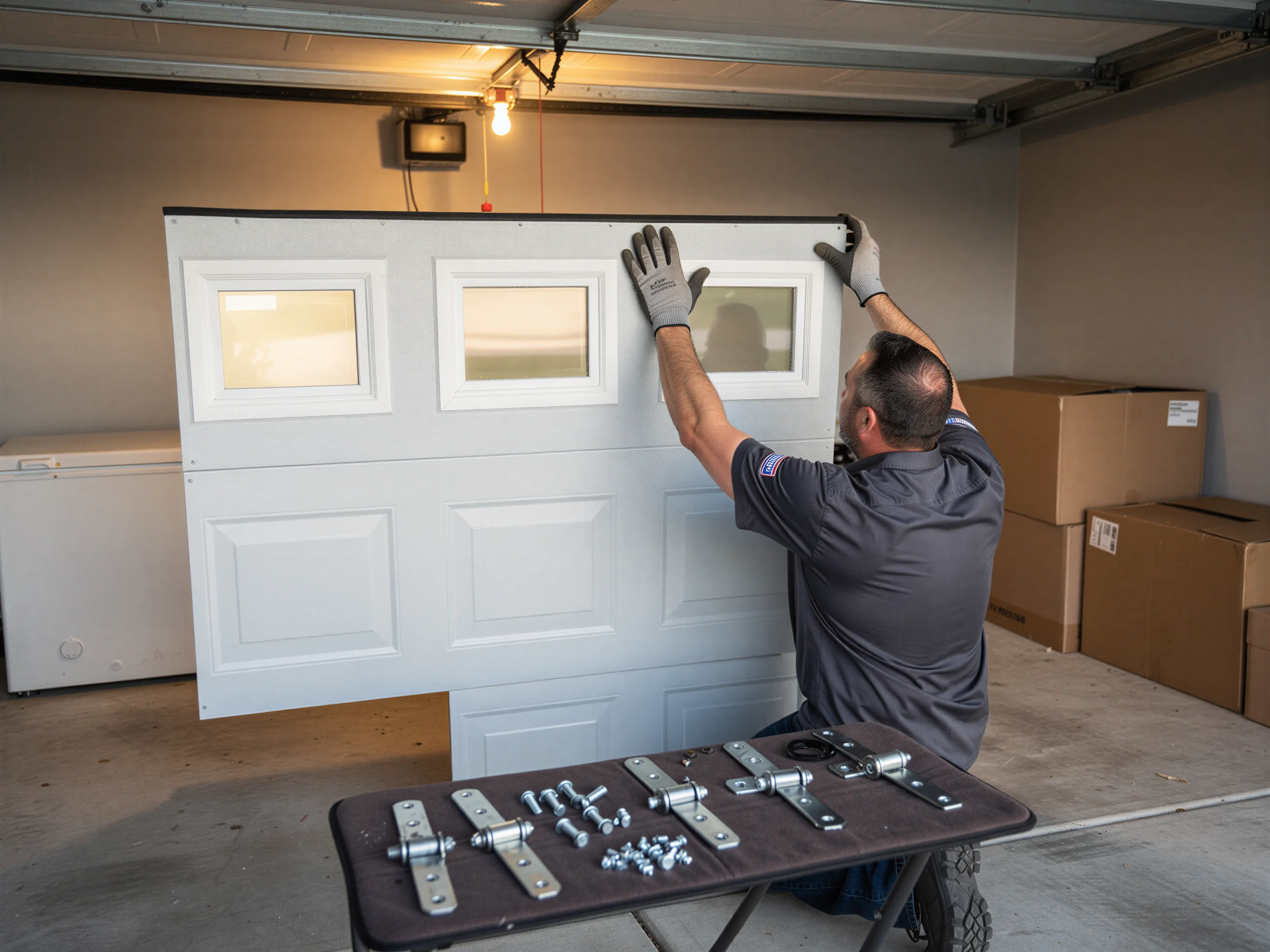
Where it goes wrong is the bottom rollers - those brackets carry cable tension, and loosening the wrong bolt on a door built in the 1987 era, when brackets were often riveted rather than bolted, can let a panel shift or a cable slip under tension.
If your opener is original to the house, the rail and the roller carriage may also be a style that isn't sold anymore, which means a DIY swap can turn into a parts hunt.
We'll say plainly: this isn't a job we'd talk a homeowner out of trying on the top rollers, but the bottom two are where most trips to the ER start.
On the truck
We carry sealed-bearing nylon rollers in the stem lengths and wheel sizes that match 1980s and 90s steel track, since that's the bulk of what's on doors across the areas we cover out of Waldorf, Clinton included. Nylon rollers quiet the door down right away and hold up better than steel in a cold-climate winter, where steel-on-steel rollers tend to seize or flat-spot after a hard freeze. What we don't stock on the truck is track - track gets cut and drilled to the specific door width, so if your rollers have already chewed up the rail, that part of the job comes back as a second visit once we've measured on site.
Our process
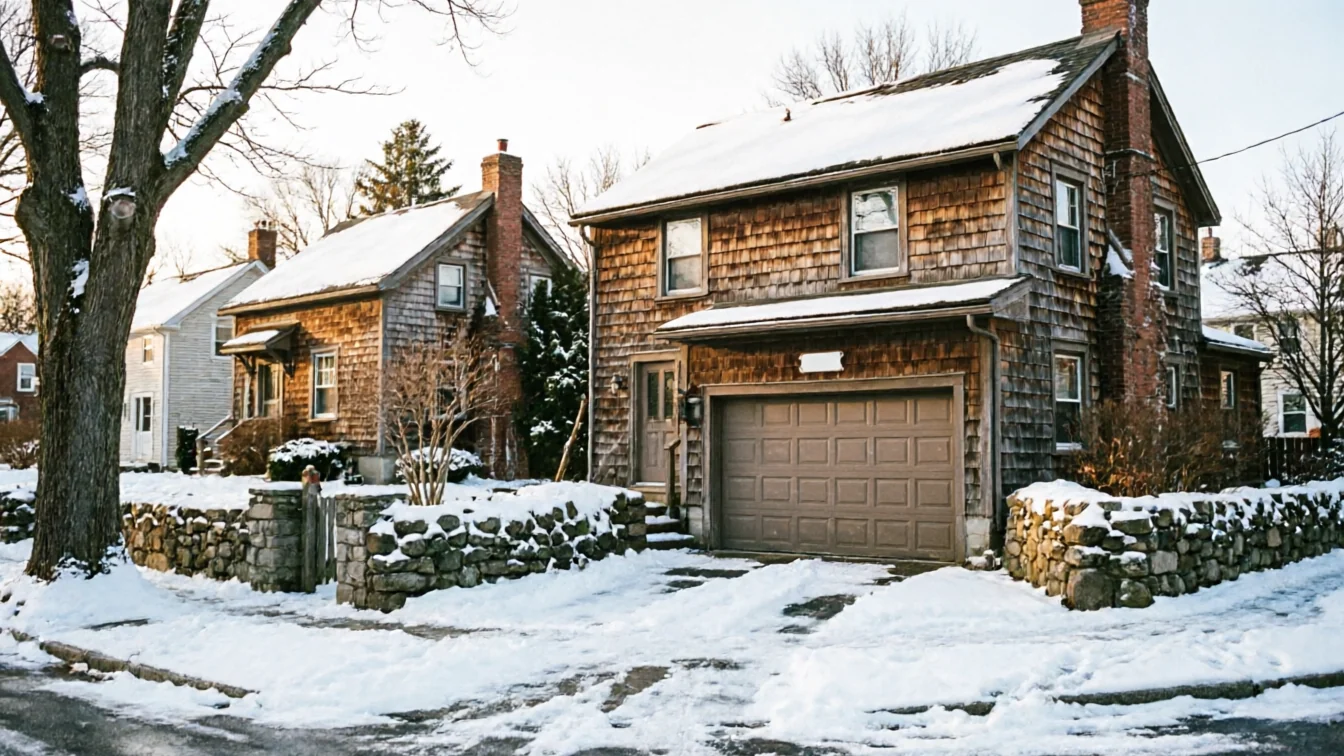
We come out from Waldorf, about 10 miles to Clinton, pull the door off its spring tension safely, and replace the full roller set rather than just the noisy ones - on a door built around 1987, the rollers you can't hear are usually close behind the ones you can. We check the track alignment at the same time, since a straight track is what makes a new roller last. With Clinton running roughly 13,728 households and a median income near $120,967, we're not pushing a full door replacement on a roller call unless the track or panel is actually damaged; most of these jobs are a straightforward roller and track-check visit, done in one trip.
Questions
Steel rollers that came standard on doors built in Clinton's main building era, around 1987, stiffen up in cold weather, and this area sits in a severe cold climate band. Old grease thickens and the flat-worn edge of a steel roller grinds harder against steel track when temperatures drop, which is why the noise gets worse in January than in July.
Yes. Most of the housing stock in the areas we cover out of Waldorf, including Clinton, dates to the 1980s and 90s, so we stock sealed nylon rollers sized for that era's steel track on the truck. If your track itself is bent or worn, that's cut to size and may need a second visit.
If the track is straight and the panels are sound, a roller swap is the right call and far cheaper than a new door. We only recommend replacement when the track has been bent from worn rollers riding the edge for too long, or when the door itself has damage unrelated to the rollers.
Explore more
Ready when you are
Waldorf Garage Door Pros repairs and installs garage doors, springs and openers in Waldorf, MD and the surrounding area.